
Frogs, fieldwork, and funky fragrances!

Did you know that many frog species produce a species-specific odour? I know I sure didn’t. After discovering a catalogue of recorded frog species smells (see paper here) with possible ‘flavours’ ranging from curry, lawn clippings, rotten fish, or ridiculous descriptors such as ‘electrical fire’ and ‘Adelaide tap water’, this Master’s project was born!
Whilst different odours have been recorded, there are still many questions. Do the odours attract mates? Repel predators? Entice prey items? Is it associated to frog behaviours? We don’t know! Therefore, we’re aiming to explore the possible characteristics and function of this odour in a few frog species.
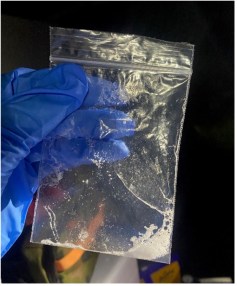
I’ve been lucky enough to work with Matt West on the critically endangered spotted tree frog, traipsing around rivers and wetlands of North-east Victoria till 4 in the morning undertaking the scientific process of “frog sniffing” (verb: the act of picking up a frog and smelling). After capturing each frog and conducting critical health and visual surveys, I collect and preserve the remaining skin secretions for later analysis. It’s a bit of an amusing notion but each sample is also ranked 0-2 depending on stinkiness, with spotted tree frogs typically smelling earthy and sweet.
The plan for these samples is to look for important chemical components of the odour between groups like sex, breeding status, and disease status. Any results will inform our understanding of chemical signalling in amphibians and may potentially contribute to future detection and management strategies.
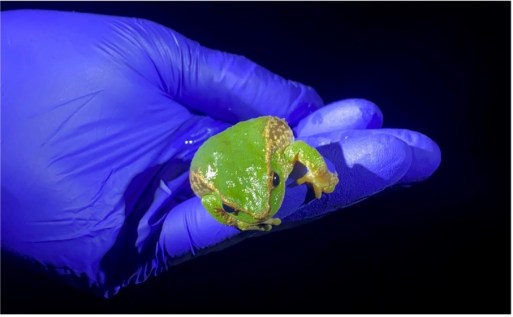
Spotted tree frog (Litoria spenceri)
One of the project highlights so far has been the fieldtrip opportunities including surveys in Gippsland and Sydney for other species such as the endangered green and golden bell frog and Watson’s tree frog. A bit of an honour considering the declining population trends of these species due to the threat of chytrid fungus (also are ridiculously cute – see image). Memorable experiences include learning how to identify frog species through visual and acoustic monitoring, generating a personal sauna in a pair of waders, and dropping a $400 piece of equipment into the river at 1am (a traumatic 18 hours but eventually found!).
We’ve still got a way to go, but maybe one day we’ll know the function of odour in froggies! And keep your eyes peeled – a line of frog fragrances might be coming soon to a chemist near you.

Post by MSc student, Eliza Shiels
Feature image: Green and golden bell frog (Litoria aurea)
 Stuart-Fox Lab | Devi Stuart-Fox
You must be logged in to post a comment.